Benefits Of Diet & Exercise To Better Your Health
The Benefits of Diet and Exercise To Better Your Health

Introduction:

Diet and exercise play crucial roles in maintaining a healthy lifestyle. Numerous studies have shown the positive impact of a balanced diet and regular physical activity on overall well-being. In this article, we will explore the various benefits of diet and exercise, backed by the information obtained from the provided search results.

  1. Improved Overall Health:

Engaging in regular exercise and following a healthy diet can lead to improved overall health. A study involving 72,000 individuals found that even 15 minutes of vigorous activity per week can lower the risk of death from any cause and death from cancer. Furthermore, incorporating 150 minutes of moderate-to-vigorous physical activity each week can promote cardiovascular health and reduce the risk of chronic diseases.

  1. Weight Management:

Combining a balanced diet with regular exercise is an effective approach to weight management. By consuming a diet rich in whole grains, fruits, vegetables, and lean proteins, and participating in physical activities that burn calories, individuals can achieve a healthy weight. When aiming to lose weight, it is important to create a calorie deficit by consuming fewer calories than are expended through physical activity and bodily functions.

  1. Increased Energy Levels:

Eating a well-balanced diet and engaging in regular exercise can significantly boost energy levels. Starting the day with a healthy breakfast, rich in fiber and protein, can provide the necessary fuel to power your muscles and brain, improving exercise performance. Additionally, exercise increases blood flow and oxygen supply to the body, leading to improved energy levels and reduced feelings of fatigue.

  1. Enhanced Mental Well-being:

Diet and exercise have positive effects on mental health and well-being. Physical activity stimulates the release of endorphins, known as “feel-good” hormones, which can reduce symptoms of depression and anxiety. Additionally, a healthy diet, rich in fruits, vegetables, and whole grains, provides essential nutrients that support brain function and may contribute to a lower risk of mental decline.

  1. Reduced Risk of Chronic Diseases:

Adopting a healthy lifestyle through diet and exercise can significantly reduce the risk of chronic diseases. Regular physical activity helps maintain healthy blood pressure, reduces the risk of heart disease, and improves cardiovascular fitness. A balanced diet, low in saturated fats and high in fruits, vegetables, and whole grains, can help prevent conditions such as obesity, type 2 diabetes, and certain types of cancer.

These are Among The Best Foods to Live Longer

Eating a healthy and balanced diet is crucial for maintaining good health and promoting longevity. Certain foods are known for their potential to support overall well-being and increase lifespan. In this article, we will explore some of the top foods obtained from the provided search results that are associated with longevity and discuss their potential benefits.

  1. Cruciferous Vegetables:

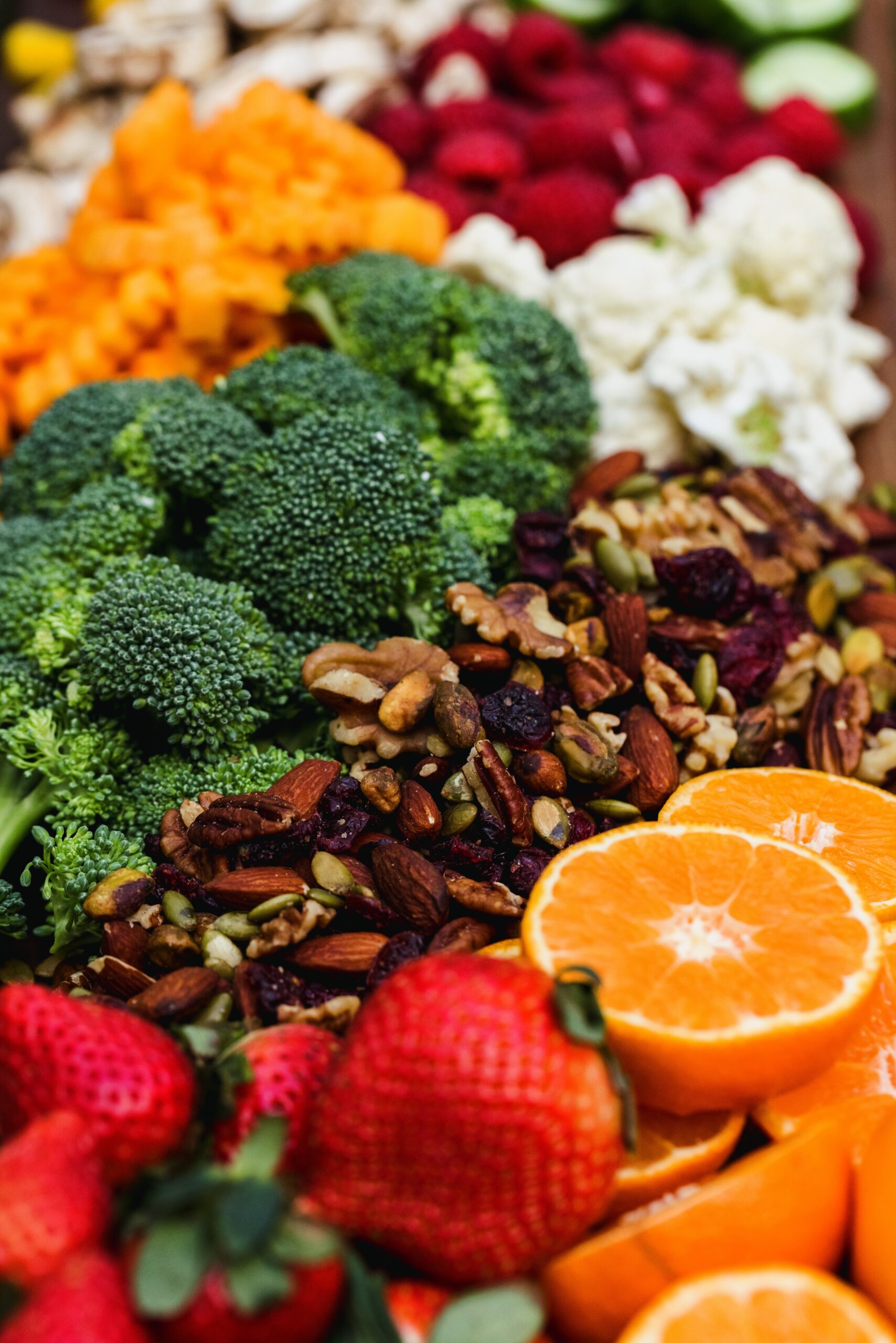
Cruciferous vegetables, such as broccoli, cauliflower, kale, and Brussels sprouts, are packed with essential nutrients and bioactive compounds. These vegetables have been found to modify human hormones and activate the body’s natural defense mechanisms against diseases. Including cruciferous vegetables in your diet may provide protection against various types of cancer, heart disease, and other age-related conditions.

  1. Salad Greens:

Raw leafy greens, including spinach, lettuce, and arugula, are nutrient-dense and low in calories. They are rich in vitamins, minerals, and antioxidants, which contribute to overall health and longevity. Consuming salad greens regularly can support healthy weight management, promote cardiovascular health, and reduce the risk of chronic diseases.

  1. Nuts:

Nuts, such as almonds, walnuts, and pistachios, are excellent sources of healthy fats, protein, fiber, vitamins, and minerals. They are associated with a lower risk of heart disease, improved brain function, and reduced inflammation. Including a variety of nuts in your diet can contribute to longevity by providing essential nutrients and supporting overall health.

  1. Berries:

Berries, such as blueberries, strawberries, and raspberries, are rich in antioxidants and phytochemicals that possess anti-aging properties. These fruits have been linked to improved cognitive function, reduced inflammation, and enhanced cardiovascular health. Adding a handful of berries to your daily diet can be a delicious way to support longevity.

  1. Fish:

Fatty fish, including salmon, mackerel, and sardines, are excellent sources of omega-3 fatty acids, which have been associated with numerous health benefits. Omega-3 fatty acids have anti-inflammatory properties, support heart health, and may reduce the risk of age-related conditions such as dementia and cognitive decline. Consuming fish regularly, especially fatty fish, can be beneficial for promoting longevity.

  1. Legumes:

Legumes, such as beans, lentils, and chickpeas, are nutrient-dense plant-based protein sources. They are high in fiber, vitamins, minerals, and antioxidants. Incorporating legumes into your diet can improve heart health, regulate blood sugar levels, and provide satiety. A diet rich in legumes has been associated with a reduced risk of chronic diseases and increased lifespan.

  1. Whole Grains:

Whole grains, including quinoa, brown rice, and oats, are unrefined grains that retain their bran and germ, containing fiber, vitamins, minerals, and antioxidants. They offer numerous health benefits, including improved digestion, reduced risk of heart disease, and better weight management. Choosing whole grains over refined grains can contribute to a longer and healthier life.

  1. Green Tea:

Green tea is known for its antioxidant properties and is a popular beverage in many cultures. It contains compounds called catechins, which have been associated with reduced inflammation, improved heart health, and protection against certain types of cancer. Incorporating green tea into your daily routine may be beneficial for promoting longevity.

  1. Olive Oil:

Olive oil, especially extra virgin olive oil, is a healthy source of monounsaturated fats and antioxidants. It has been linked to a reduced risk of heart disease, lower inflammation, and improved cognitive function. Using olive oil as a primary cooking oil and in salad dressings can be a healthy choice.

Conclusion:

The benefits of diet and exercise are numerous and far-reaching. By incorporating a balanced diet, rich in nutrient-dense foods, and engaging in regular physical activity, individuals can improve their overall health, manage their weight, increase energy levels, enhance mental well-being, and reduce the risk of chronic diseases. It is important to consult with healthcare professionals or registered dietitians to develop personalized diet and exercise plans that suit individual needs and goals.

Remember, adopting a healthy lifestyle is a lifelong commitment that requires consistency and dedication. By making small, sustainable changes to your diet and gradually increasing physical activity, you can reap the benefits and enjoy a healthier, more fulfilling life.
What is an Example of a Fit Body in Appearance? Let’s See

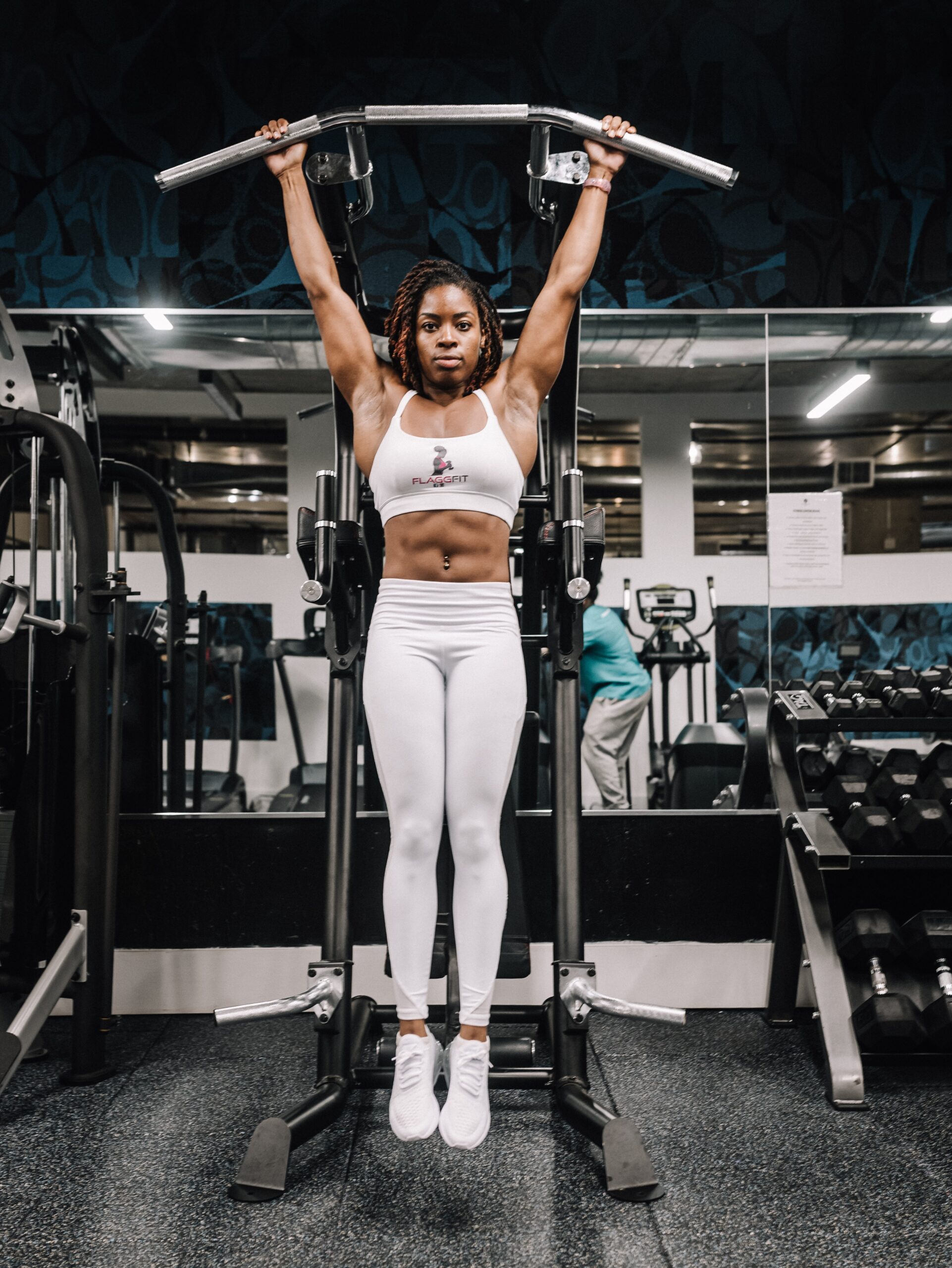
When it comes to what a fit body should be and look like, it’s important to remember that everyone is unique and that there is no one-size-fits-all definition of fitness. That said, there are some general characteristics that tend to be associated with a fit body.

First and foremost, a fit body is typically one that is able to perform a wide range of physical activities without undue fatigue. This means having sufficient cardiovascular endurance, muscle strength and endurance, flexibility, and coordination to meet the demands of daily life and pursue a variety of physical activities.

In terms of appearance, a fit body is often lean and toned, with visible muscle definition and relatively low levels of body fat. However, it’s important to note that body composition (the ratio of fat to lean mass) is just one aspect of physical fitness, and that it’s possible to be fit at a variety of body sizes and shapes.

In addition to these physical characteristics, a fit body is often accompanied by good overall health. This can include factors such as blood pressure, cholesterol levels, and blood sugar control within healthy ranges, as well as mental and emotional well-being.

Ultimately, the most important thing is to find a fitness routine that works for you and that helps you feel strong, healthy, and confident in your own skin. This may involve a combination of cardiovascular exercise, strength training, flexibility work, and other activities that you enjoy and that help you meet your personal fitness goals.

Remember, it’s not about striving for a certain appearance or meeting societal standards of beauty. It’s about feeling good in your own body and being able to live a full and active life. So, focus on finding activities that you enjoy and that help you feel your best, and don’t worry too much about what your body should look like. As long as you’re taking care of yourself and engaging in physical activities that support your overall health and well-being, you’re on the right track.

Find activities that you enjoy: The key to maintaining a fitness routine is finding activities that you enjoy and that motivate you to stay active. This might be a sport, a group fitness class, or a solo activity like running or cycling. The important thing is to find something that you look forward to and that makes you feel good.

Set realistic goals: It’s important to set goals that are challenging but achievable. This might include a specific fitness goal (such as completing a 5k race) or a health-related goal (such as lowering your blood pressure). By setting goals, you can track your progress and stay motivated to continue improving.

Mix things up: To avoid boredom and plateaus, try to mix up your fitness routine by trying new activities, increasing intensity or duration, or incorporating different types of exercise (such as cardiovascular, strength training, and flexibility work). This can help you continue to challenge your body and improve your fitness levels.

Stay hydrated: Proper hydration is essential for maintaining energy, supporting muscle function, and facilitating recovery from exercise. Aim to drink at least 8-8 ounces of water per day, or more if you’re exercising or in a hot environment.

Get enough sleep: Adequate sleep is important for maintaining a healthy weight, reducing stress, and supporting overall health. Aim for 7-9 hours of sleep per night.

Eat a healthy diet: A balanced diet rich in fruits, vegetables, lean protein, and healthy fats can help support overall health and wellness. Avoid processed and sugary foods, which can contribute to inflammation and aging.

By following these tips, you can achieve and maintain a fit body that is strong, healthy, and able to meet the demands of daily life. Remember to listen to your body, take breaks as needed, and seek medical advice as needed to maintain overall health and wellness.

The healthiest foods to consume

There are many healthy foods that can provide a wide range of nutrients and support overall health. Here are some examples of healthy foods to consume and recommendations for quantity and frequency:

Fruits and vegetables: Aim to consume a variety of colorful fruits and vegetables every day. These can be fresh, frozen, or canned (without added sugars or syrups). Aim for at least 5 servings per day.

Whole grains: Choose whole grains, such as whole wheat, oats, quinoa, and brown rice, over refined grains. Aim for at least 3 servings per day.

Lean protein sources: Choose lean protein sources, such as chicken, turkey, fish, beans, and tofu, to help support muscle growth and repair. Aim for at least 2 servings per day.

Healthy fats: Choose healthy fats, such as olive oil, nuts, and avocados, to help support brain health and provide energy. Aim for at least 2 servings per day.

Dairy or dairy alternatives: Choose low-fat or fat-free dairy products, or dairy alternatives, such as soy, almond, or oat milk, to help support bone health. Aim for at least 2 servings per day.

By incorporating these healthy foods into your diet and consuming them in appropriate quantities, you can support overall health and well-being. Remember to listen to your body and consult with a healthcare professional or registered dietitian if you have any concerns about your nutrition.

Plan ahead: To make healthy eating easier, plan your meals and snacks in advance. This can help you avoid making unhealthy choices when you’re short on time or hungry.

Choose whole foods: To get the most nutrients, choose whole, unprocessed foods whenever possible. These foods are minimally processed and often contain fewer additives and preservatives.

Eat a variety of foods: To ensure that you’re getting a wide range of nutrients, try to eat a variety of foods. This can help you get all the nutrients your body needs to function optimally.

Don’t skimp on healthy fats: While it’s important to choose healthy fats, it’s also important to consume enough of them. Healthy fats help support brain health, provide energy, and promote satiety.

Eat slowly: Take your time when eating and pay attention to your hunger and fullness cues. This can help you eat mindfully and avoid overeating.

By following these tips, you can incorporate healthy foods into your diet and enjoy all the benefits they have to offer. Remember to listen to your body and consult with a healthcare professional or registered dietitian if you have any concerns about your nutrition.

The benefits of high-intensity interval training (HIIT) for your fitness goals:

Increased flexibility: HIIT workouts can improve flexibility, as they often involve dynamic movements that challenge the body in different ways.

Improved coordination: HIIT workouts can also improve coordination, as they involve movements that require balance and coordination.

Increased power: HIIT workouts can increase power, or the ability to generate force quickly, which can be beneficial for sports and other activities that require explosive movements.

Improved body composition: HIIT workouts can improve body composition, or the ratio of fat to muscle in the body. By burning fat and building muscle, HIIT can help you achieve a leaner, more toned appearance.

Improved insulin sensitivity: HIIT workouts have been shown to improve insulin sensitivity, which can help regulate blood sugar levels and reduce the risk of diabetes.

Improved bone density: HIIT workouts can also improve bone density, as they involve high-impact exercises that place stress on the bones and stimulate bone growth.

Increased energy: HIIT workouts can increase energy levels, as they improve cardiovascular health and increase the body’s ability to use oxygen efficiently.

Improved mental health: HIIT workouts can improve mental health and reduce the risk of anxiety and depression, as they release endorphins and other feel-good chemicals in the brain.

Greater sense of accomplishment: HIIT workouts can provide a greater sense of accomplishment, as they often involve challenging exercises that push the body to its limits.

More enjoyable: Many people find HIIT workouts to be more enjoyable than steady-state workouts, as they provide a sense of variety and challenge.

Greater accessibility: HIIT workouts can be more accessible than other types of exercise, as they can be done anywhere with minimal equipment.

Better for the wallet: HIIT workouts can also be more affordable than other types of exercise, as they don’t require a gym membership or expensive equipment.

By incorporating HIIT into your fitness routine, you can enjoy all of these benefits and more. Just remember to start slowly and gradually increase intensity as your fitness improves, and to listen to your body and take breaks as needed. Consult with a healthcare professional or personal trainer if you have any concerns or are unsure about how to safely incorporate HIIT into your fitness routine.

Customization: HIIT workouts can be customized to suit your fitness level and goals, as you can adjust the intensity and duration of intervals to suit your needs. This makes HIIT suitable for a wide range of fitness levels and goals.

Time-efficient: HIIT workouts can be completed in as little as 20-30 minutes, making it a time-efficient way to get in a good workout. This can be especially beneficial for busy individuals who may not have a lot of time to spare for exercise.

Versatility: HIIT workouts can be done using a variety of equipment and formats, including bodyweight exercises, resistance bands, cardio machines, and more. This makes HIIT a versatile way to exercise that can be done almost anywhere.

Convenience: HIIT workouts can be done at home or in a gym, making it a convenient option for those who may not have access to a gym or prefer to exercise at home.

Mental toughness: HIIT workouts can also improve mental toughness, as they require determination and focus to push through the intervals. This can translate to other areas of life, as mental toughness can help individuals persevere through challenges and setbacks.

Increased self-esteem: HIIT workouts can boost self-esteem and confidence, as they provide a sense of accomplishment and can help individuals achieve their fitness goals.

Improved sleep: HIIT workouts can also improve sleep, as they can help reduce stress and improve overall health. This can lead to better sleep quality and quantity.

Increased motivation: HIIT workouts can increase motivation, as they provide a sense of accomplishment and can help individuals see progress in their fitness journey.

Social connections: HIIT workouts can also provide an opportunity for social connections, as they can be done in group fitness classes or with friends. This can make exercise more enjoyable and provide a sense of community.

By incorporating HIIT into your fitness routine, you can enjoy all of these benefits and more. Just remember to start slowly and gradually increase intensity as your fitness improves, and to listen to your body and take breaks as needed. Consult with a healthcare professional or personal trainer if you have any concerns or are unsure about how to safely incorporate HIIT into your fitness routine.

The Benefits of Outdoor Exercise: Why You Should Take Your Workouts Outside

Exercise is an important part of maintaining a healthy lifestyle, and there are many benefits to taking your workouts outside. Here are some reasons why you should consider incorporating outdoor exercise into your routine:

Fresh air and sunlight: Being outside exposes you to fresh air and sunlight, which can improve your mood and boost your overall well-being. Sunlight is also a natural source of vitamin D, which is important for bone health and immune function.

Greater variety: The great outdoors provides a greater variety of surfaces and environments to work out on, which can make your workouts more interesting and challenging. You can try running on trails, doing bodyweight exercises in a park, or swimming in a lake or ocean.

Lower risk of injury: Outdoor surfaces, like grass or sand, are generally softer and more forgiving than harder surfaces like concrete or asphalt. This can reduce the risk of injury, especially for those with joint problems or injuries.

Social connections: Exercising outside can provide an opportunity to connect with others, whether it’s joining a group fitness class, working out with a friend, or participating in a community event. Social connections have been shown to have a number of benefits for mental health and overall well-being.

Better sleep: Exercise has been shown to improve sleep quality, and being outside in natural light can also help regulate your body’s sleep-wake cycle.

Lower stress: Exercise can help reduce stress and improve mental health, and being outside in nature has been shown to have an additional stress-reducing effect. Studies have found that spending time in nature can lower levels of the stress hormone cortisol and improve overall well-being.

Increased creativity: Being in nature has been shown to increase creativity and problem-solving skills. So not only will you be getting a good workout, but you may also find that you’re more productive and creative afterwards.

Accessibility: Outdoor exercise can be more accessible and affordable than indoor options, as it doesn’t require a gym membership or specialized equipment. All you need is a comfortable pair of shoes and some determination.

Improved cardiovascular health: Regular exercise has been shown to improve cardiovascular health and reduce the risk of heart disease. Outdoor exercise, in particular, has been shown to have additional benefits for heart health, including lower blood pressure and improved cholesterol levels.

Increased strength and balance: Outdoor exercise can provide opportunities to work on your strength and balance, especially if you incorporate activities like hiking or rock climbing into your routine.

By incorporating outdoor exercise into your routine, you can enjoy all of these benefits and more. Just remember to wear appropriate clothing and sunscreen, and to listen to your body and take breaks as needed. You can also consult with a healthcare professional or personal trainer if you have any concerns or are unsure about how to safely incorporate outdoor exercise into your routine. So get outside and enjoy all the benefits that nature has to offer!

Environmental benefits: Not only can outdoor exercise benefit your own health, but it can also have a positive impact on the environment. Choosing to exercise outside instead of driving to a gym or using energy-intensive equipment can reduce your carbon footprint.

Improved cognitive function: Studies have found that spending time in nature can improve cognitive function, including memory, attention, and concentration. So not only will you be getting a good workout, but you may also find that you’re more focused and productive afterwards.

Boosted immune system: Being outside and exposing yourself to a variety of bacteria and viruses can actually boost your immune system and improve your overall health. This is known as the “hygiene hypothesis,” which suggests that being too clean can actually weaken the immune system.

Increased energy: Exercise has been shown to increase energy levels, and being outside in natural light can also help boost energy levels. So if you’re feeling sluggish, a walk or run in the great outdoors may be just what you need to get moving.

Improved mental health: Exercise has been shown to improve mental health and reduce the risk of anxiety and depression. Being outside in nature has been shown to have an additional stress-reducing effect, which can further improve mental health.

Greater sense of accomplishment: Accomplishing outdoor challenges, like hiking to a scenic viewpoint or completing a difficult bike ride, can provide a greater sense of accomplishment and boost self-esteem.

More enjoyable: Many people find outdoor exercise to be more enjoyable than indoor workouts, as it provides a change of scenery and the opportunity to be in nature. This can make it easier to stick to a fitness routine and achieve your goals.

Greater accessibility: Outdoor exercise can be more accessible to those with disabilities or mobility issues, as it doesn’t require specialized equipment or facilities. There are also many organizations that offer outdoor fitness programs and activities specifically for people with disabilities.

Better for the wallet: Outdoor exercise can be more affordable than indoor options, as it doesn’t require a gym membership or expensive equipment. This can make it more accessible to those on a budget.

Fun for the whole family: Outdoor exercise can be a fun and enjoyable activity for the whole family, providing an opportunity for bonding and quality time together.

By incorporating outdoor exercise into your routine, you can enjoy all of these benefits and more. So grab your sneakers and hit the trails, the beach, or the park to experience all the benefits that nature has to offer.

The Benefits of Incorporating Strength Training into Your Fitness Regimen

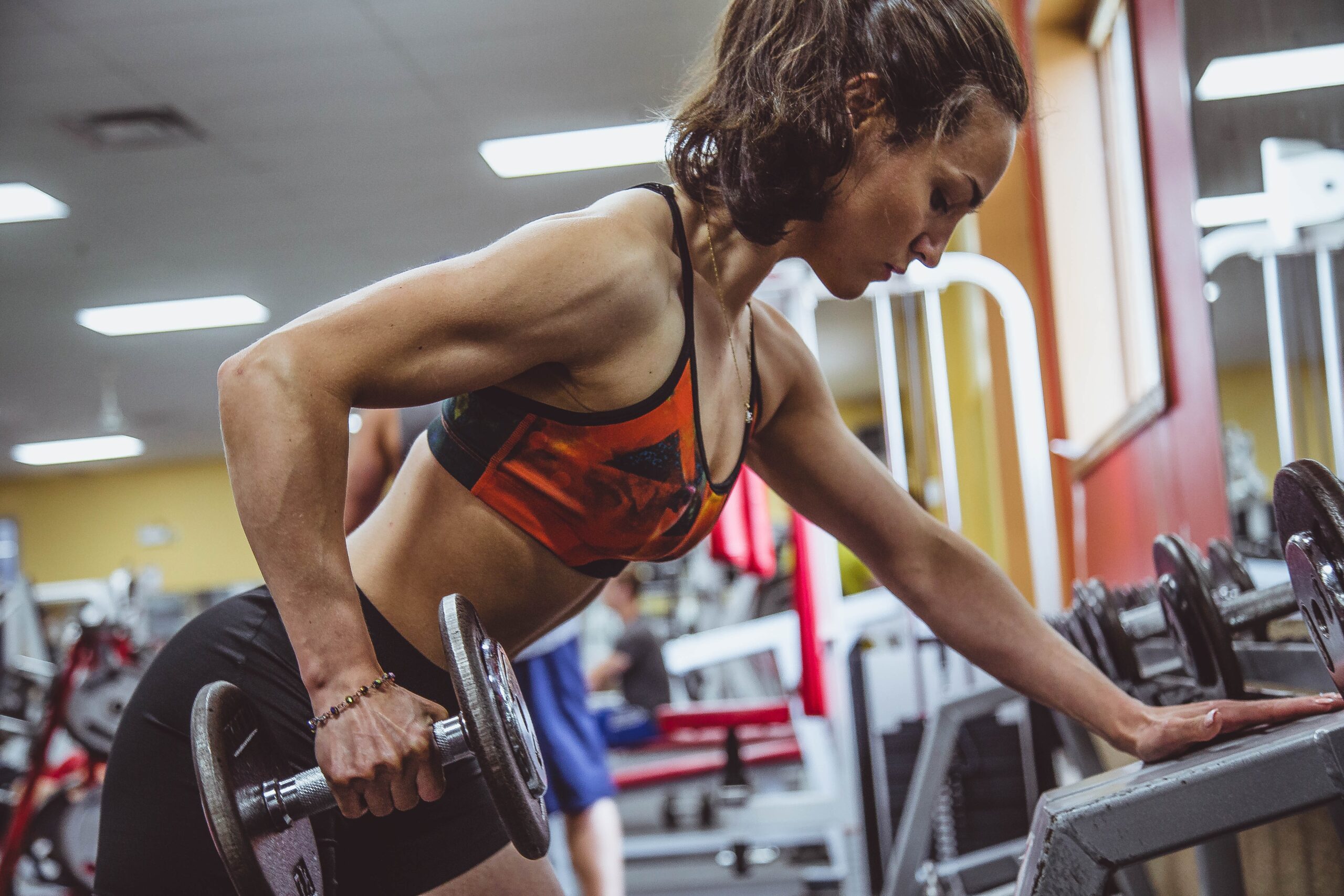
Strength training is an important part of any fitness regimen, as it helps build and maintain muscle mass and improve overall strength and function. If you’re new to strength training or haven’t incorporated it into your fitness routine, here are some reasons to give it a try:

Increases muscle mass: Strength training helps increase muscle mass, which can lead to a higher metabolism and improved body composition. This can help you burn more calories and lose weight or maintain a healthy weight.

Improves bone density: Strength training can help improve bone density, which can reduce the risk of osteoporosis and other bone-related conditions. It’s especially important for women to incorporate strength training into their fitness routine, as they are at higher risk for bone loss as they age.

Increases strength and function: Strength training can help improve overall strength and function, making it easier to perform everyday tasks and activities. It can also improve balance and coordination, which can reduce the risk of falls and injuries.

Reduces stress: Strength training can be a great way to relieve stress and improve mental health. Exercise has been shown to release endorphins, which can help improve mood and reduce feelings of anxiety and depression.

Increases self-confidence: As you see improvements in your strength and physical appearance, you may experience an increase in self-confidence and self-esteem. This can have a positive impact on other areas of your life and improve your overall well-being.

Can be done anywhere: Strength training can be done anywhere, as it doesn’t require any special equipment or facilities. You can use your own body weight or simple equipment like dumbbells, resistance bands, or a medicine ball to get a good workout.

Can be modified to fit your fitness level: Strength training can be modified to fit your fitness level, whether you’re a beginner or an experienced athlete. You can start with low weights and high reps and gradually increase the intensity as you build up strength and endurance.

Can be done at any age: It’s never too late to start strength training. It can be beneficial for people of all ages, including seniors. It’s important to consult with a healthcare professional or personal trainer if you have any health conditions or are unsure about how to safely incorporate strength training into your routine.

By incorporating strength training into your fitness routine, you can reap a number of benefits for your physical and mental health. Remember to start slowly and gradually increase the intensity as you build up strength and endurance.

5 Easy Exercises to Add to Your Fitness Routine

Incorporating exercise into your daily routine can have a number of benefits for your physical and mental health. However, finding the time and motivation to exercise can be a challenge. Here are 5 easy exercises that you can add to your fitness routine:

Walking: Walking is a simple and low-impact exercise that can be done anywhere and at any time. It’s a great way to get your heart rate up and improve your cardiovascular health. To make walking more challenging, you can try increasing the intensity by walking uphill or at a faster pace.

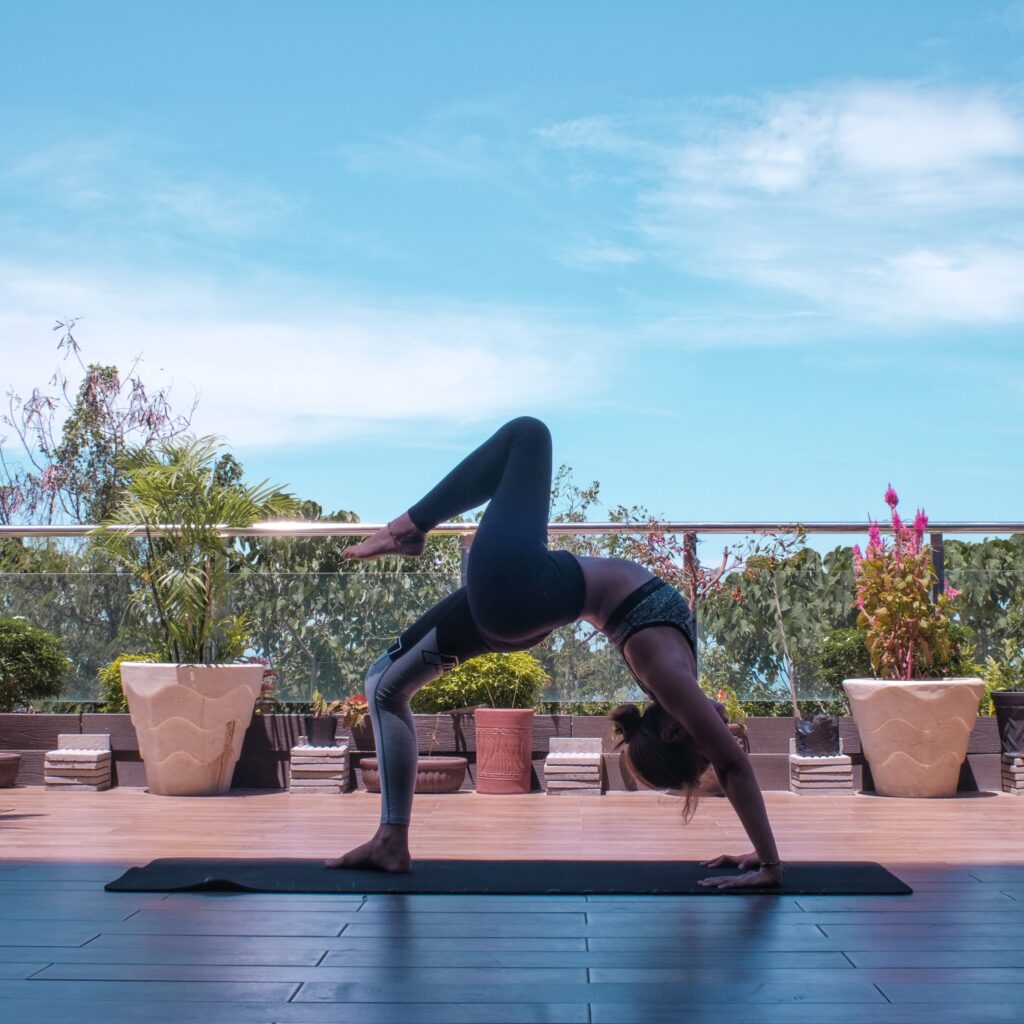
Yoga: Yoga is a form of exercise that combines physical poses with breathing and meditation techniques. It can help improve flexibility, strength, and balance, as well as reduce stress and improve mental clarity. There are many different types of yoga to choose from, so you can find a style that works best for you.

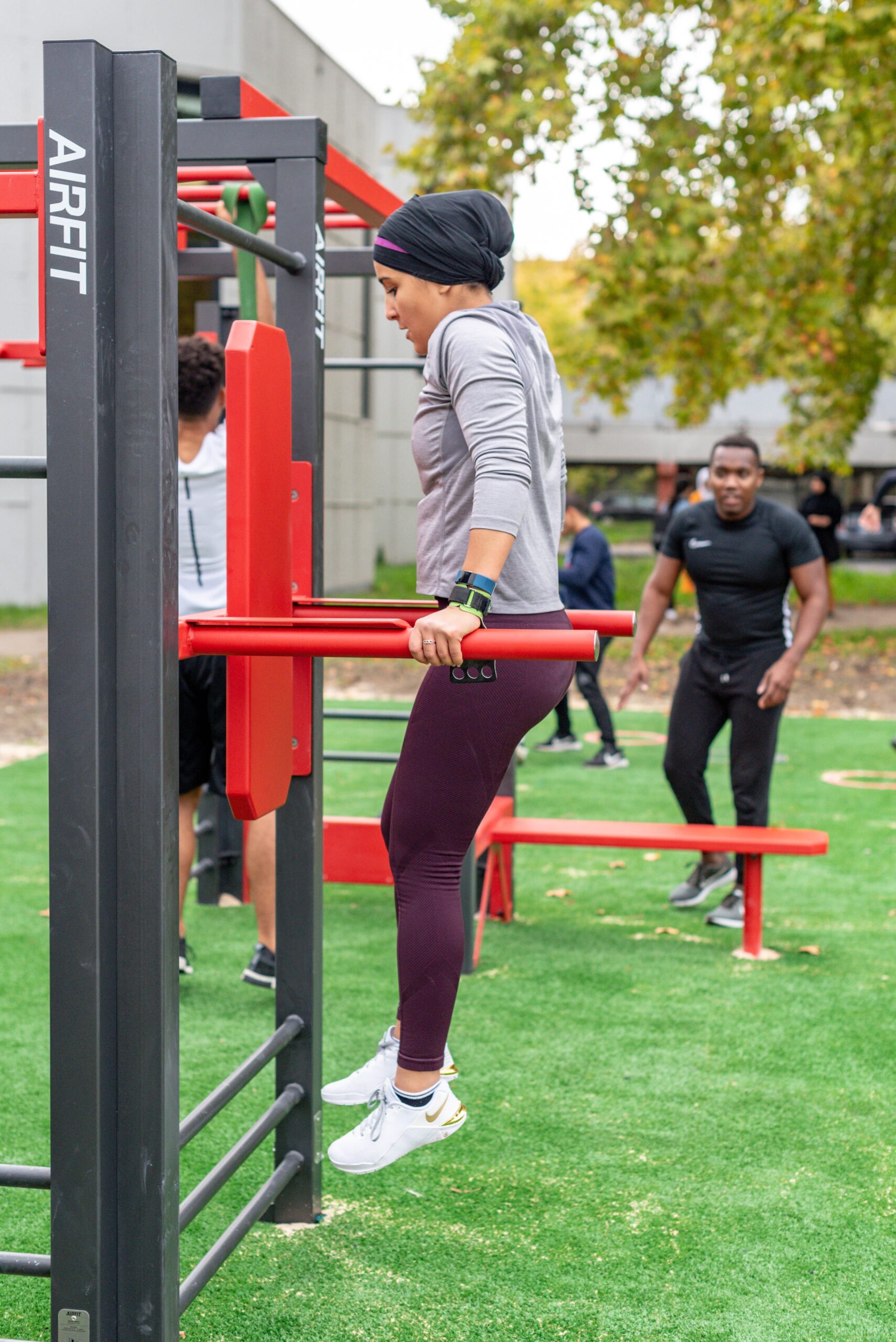
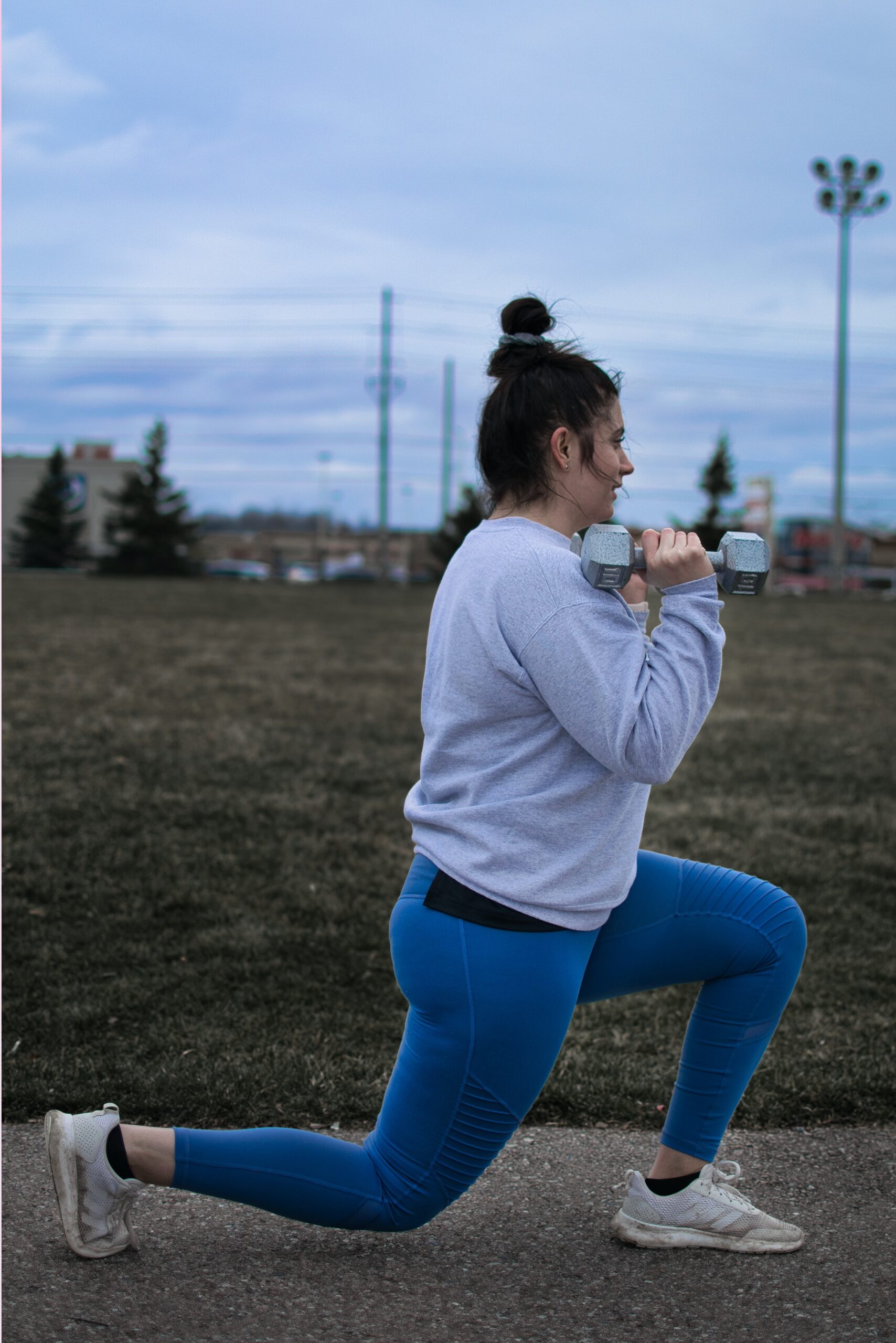
Bodyweight exercises: Bodyweight exercises use your own body weight as resistance, making them a convenient and effective way to build strength and improve overall fitness. Some examples of bodyweight exercises include push-ups, squats, lunges, and planks.

Swimming: Swimming is a great full-body workout that is easy on the joints. It can help improve cardiovascular fitness and build muscle strength. Swimming is also a good option for those with injuries or chronic pain, as the water provides buoyancy and support.

Low-impact cardio: If you’re looking for a low-impact exercise option, try incorporating some low-impact cardio into your routine. This can include activities like cycling, rowing, or using an elliptical machine. These exercises can provide a good cardiovascular workout without placing too much strain on your joints.

Stretching: Stretching is an important part of any fitness routine, as it helps improve flexibility and reduce the risk of injury. There are many different types of stretches, including static stretches, dynamic stretches, and foam rolling. Make sure to warm up before stretching to prepare your muscles and avoid straining them.

HIIT (High-Intensity Interval Training): HIIT is a form of exercise that involves short bursts of high-intensity activity followed by periods of rest. It’s a great way to get a quick and effective workout in a short amount of time. Some examples of HIIT exercises include burpees, mountain climbers, and jump squats.

Resistance bands: Resistance bands are a versatile and portable workout tool that can be used to add resistance to a variety of exercises. They are great for targeting specific muscle groups and can be adjusted to different levels of difficulty.

Pilates: Pilates is a form of exercise that focuses on strengthening the core and improving posture and balance. It involves a series of controlled, low-impact movements that can help improve flexibility, strength, and coordination.

Walking with weights: If you’re looking to increase the intensity of your walks, try adding some weights to your routine. This can be as simple as carrying a pair of dumbbells or wearing a weighted vest. Walking with weights can help build strength and increase the calorie-burning potential of your walks.

By adding these exercises to your fitness routine, you can mix up your workouts and keep things interesting. Remember to listen to your body and start slowly, gradually increasing the intensity as you build up your strength and endurance. It’s also important to stay hydrated and stretch before and after your workouts to help prevent injury and improve recovery.

The ultimate guide to staying fit and Healthy

Maintaining a fit and healthy lifestyle can improve your quality of life and help you feel your best. However, with busy schedules and the many demands of daily life, it can be challenging to prioritize fitness and health. Here is the ultimate guide to staying fit and healthy:

Set specific goals: It’s important to set specific, measurable, achievable, relevant, and time-bound (SMART) goals to help you stay focused and motivated. Rather than setting a vague goal like “get in shape,” try setting a specific goal like “lose 10 pounds in three months by exercising for 30 minutes five days a week and following a healthy diet.”

Create a plan: Once you have set your goals, it’s important to create a plan to help you achieve them. This can include things like scheduling time for exercise, planning healthy meals, and finding ways to stay accountable.

Find an activity you enjoy: Exercise should be enjoyable, not a chore. Find an activity that you enjoy, whether it’s running, dancing, or lifting weights, to help you stay motivated and engaged.

Make it a habit: Incorporating exercise into your daily routine can help you make it a habit. Try to find ways to fit in physical activity throughout your day, such as taking the stairs instead of the elevator or going for a walk during your lunch break.

Get enough rest: Adequate sleep is important for both physical and mental health. Aim for 7-9 hours of sleep per night to help you feel rested and energized.

Stay hydrated: Drinking enough water is essential for maintaining physical and mental performance. Aim for 8-12 cups of water per day, depending on your size and activity level.

Eat a balanced diet: A healthy diet is an important part of any fitness plan. Focus on incorporating whole foods like fruits, vegetables, lean proteins, and whole grains into your meals. Avoid processed and sugary foods as much as possible.

Find a workout buddy: Working out with a friend or group can help you stay motivated and accountable. It can also make exercise more fun and enjoyable.

Mix it up: Doing the same workout routine every day can become monotonous and lead to burnout. Try to mix up your workouts by incorporating different types of exercises.

Don’t be too hard on yourself: It’s important to be kind to yourself and remember that progress takes time. Don’t get discouraged if you don’t see immediate results or if you have setbacks along the way. Focus on the progress you have made and celebrate your successes, no matter how small.

Find balance: It’s important to find a balance between work, exercise, and rest. Don’t overdo it and make sure to take breaks and allow yourself time to relax and recharge.

Seek professional guidance: If you are unsure about how to safely incorporate exercise into your routine or have specific health concerns, it’s a good idea to seek guidance from a healthcare professional or personal trainer. They can help you create a personalized plan that meets your needs and goals.

Stay active: Incorporating physical activity into your daily life doesn’t always have to mean structured exercise. Find ways to stay active throughout the day, such as taking breaks to walk around, stretching, or doing household chores.

Find support: Having a supportive network of friends, family, or a community can make a big difference in your journey to stay fit and healthy. Surround yourself with people who will encourage and motivate you.

By following these tips, you can stay motivated and on track towards maintaining a fit and healthy lifestyle. Remember to listen to your body and take care of yourself, both physically and mentally. With dedication and consistency, you can make fitness and health a priority and improve your overall well-being.

10 Tips for Achieving Your Fitness Goals

 Achieving your fitness goals can be a challenging and rewarding journey. Whether you’re looking to lose weight, build muscle, or improve your overall health, setting and working towards specific goals can help you stay motivated and on track. Here are 10 tips to help you achieve your fitness goals:

Set specific, achievable goals: It’s important to set specific, measurable, achievable, relevant, and time-bound (SMART) goals to help you stay focused and motivated. Rather than setting a vague goal like “lose weight,” try setting a specific goal like “lose 10 pounds in three months by exercising for 30 minutes five days a week and following a healthy diet.”

Create a plan: Once you have set your goals, it’s important to create a plan to help you achieve them. This can include things like scheduling time for exercise, planning healthy meals, and finding ways to stay accountable.

Find an activity you enjoy: Exercise should be enjoyable, not a chore. Find an activity that you enjoy, whether it’s running, dancing, or lifting weights, to help you stay motivated and engaged.

Make it a habit: Incorporating exercise into your daily routine can help you make it a habit. Try to find ways to fit in physical activity throughout your day, such as taking the stairs instead of the elevator or going for a walk during your lunch break.

Get enough rest: Adequate sleep is important for both physical and mental health. Aim for 7-9 hours of sleep per night to help you feel rested and energized.

Stay hydrated: Drinking enough water is essential for maintaining physical and mental performance. Aim for 8-12 cups of water per day, depending on your size and activity level.

Eat a balanced diet: A healthy diet is an important part of any fitness plan. Focus on incorporating whole foods like fruits, vegetables, lean proteins, and whole grains into your meals.

Find a workout buddy: Working out with a friend or group can help you stay motivated and accountable. It can also make exercise more fun and enjoyable.

Be consistent: It’s important to be consistent with your fitness routine in order to see results. Try to stick to a regular schedule and don’t get discouraged if you do not see results right away. Exercise results can take some time just like anything else in life.

Don’t be too hard on yourself: It’s important to be kind to yourself and remember that progress takes time as mentioned. Don’t get discouraged if you don’t see immediate results or if you have setbacks along the way. Focus on the progress you have made and celebrate your successes, no matter how small.

By following these tips, you can stay motivated and on track towards achieving your fitness goals. Remember to listen to your body and consult with a healthcare professional or personal trainer if you have any concerns or are unsure about how to safely incorporate exercise into your routine. With dedication and consistency, you can make fitness a part of your everyday life and improve your overall health and well-being.

Perfect Habits and Health

Maintaining perfect health may seem like a daunting task, but it’s not as difficult as you might think. With a few simple habits and lifestyle changes, you can set yourself on the path to optimal health and well-being.

Eat a healthy, balanced diet: A healthy diet is the foundation of good health. Focus on incorporating a variety of nutrient-rich foods into your meals, including fruits, vegetables, lean proteins, and whole grains. Avoid processed, high-sugar, and high-fat foods as much as possible.

Exercise regularly: Regular physical activity is essential for maintaining good health. Aim for at least 150 minutes of moderate-intensity activity or 75 minutes of vigorous-intensity activity per week, as recommended by the Centers for Disease Control and Prevention (CDC). Find activities that you enjoy, such as walking, running, cycling, or yoga, and make them a regular part of your routine.

Get enough sleep: Adequate sleep is crucial for both physical and mental health. Aim for 7-9 hours of sleep per night and create a sleep-friendly environment by keeping your bedroom dark, quiet, and cool.

Stay hydrated: Drinking plenty of water is essential for maintaining good health. Aim for at least 8 cups of water per day, or more if you are exercising or in a hot environment.

Practice stress management: Chronic stress can take a toll on your health, both physically and mentally. Take steps to manage stress, such as practicing relaxation techniques, getting enough sleep, and finding ways to balance work and leisure.

Stay current on preventive care: Regular check-ups and screenings can help catch potential health problems early and prevent serious issues from developing. Stay up-to-date on recommended screenings and immunizations, and make sure to see your healthcare provider for regular check-ups.

Practice good hygiene: Good hygiene is essential for maintaining good health. Wash your hands frequently, especially before eating and after using the bathroom. Keep surfaces clean and free of germs, and consider using a disinfectant to kill any germs that may be lurking.

Stay engaged and mentally active: Staying mentally active and engaged can help keep your brain sharp and prevent cognitive decline. Consider activities such as reading, puzzles, or learning a new skill to keep your brain active.

Stay social: Strong social connections are important for both physical and mental health. Make an effort to stay connected with friends and family, and consider joining a social group or club to meet new people and build connections.

Find a healthy balance: It’s important to find a balance between work, leisure, and self-care to maintain good health. Make time for activities that bring you joy and relaxation, and be sure to take care of yourself by getting enough sleep, eating well, and practicing self-care.